Fuel Efficiency Tips Every Driver Should Know
Improving fuel efficiency is a goal for many drivers, whether to reduce fuel costs or lessen environmental impact. While modern vehicles are designed to be more efficient than ever, the way a car is driven and maintained still plays a significant role in its fuel consumption. Understanding the factors that influence gas mileage can help drivers make informed decisions about their daily routines and long-term vehicle care.
This article explores practical, evidence-based tips for enhancing fuel efficiency. It focuses on driving habits, vehicle maintenance, and trip planning, providing a comprehensive overview of how these elements interact. By adopting a systematic approach, drivers can potentially optimize their fuel usage and contribute to lower emissions.
Driving Habits That Influence Fuel Economy
The way a vehicle is operated has a direct impact on its fuel consumption. Aggressive driving, such as rapid acceleration and hard braking, can significantly reduce gas mileage. According to the U.S. Department of Energy, aggressive driving can lower fuel economy by 15% to 30% at highway speeds and 10% to 40% in stop-and-go traffic. Smooth and gradual acceleration, maintaining a steady speed, and anticipating traffic flow are more efficient techniques.
Speed is another critical factor. Fuel efficiency typically peaks at around 50 miles per hour for most cars. Driving at higher speeds increases aerodynamic drag, which requires more energy and thus more fuel. Using cruise control on highways can help maintain a constant speed, reducing unnecessary fuel consumption. However, it is important to note that conditions like hilly terrain may warrant manual speed adjustments.
Idling also wastes fuel. Modern engines are designed to consume less fuel when restarting than idling for more than about 10 seconds. Turning off the engine during prolonged stops, such as at train crossings or in drive-thrus, can conserve fuel. Many new vehicles come equipped with start-stop technology that automatically shuts off the engine when idle, but drivers of older cars can adopt this habit manually.
In addition to these behaviors, trip planning can contribute to efficiency. Combining errands into a single trip reduces the number of cold starts, which consume more fuel than warm engines. Choosing routes with fewer traffic lights and less congestion can also minimize stop-and-go driving. Some navigation apps offer real-time traffic data, allowing drivers to avoid bottlenecks and reduce idle time.
Maintenance Checks That Keep Your Vehicle Efficient
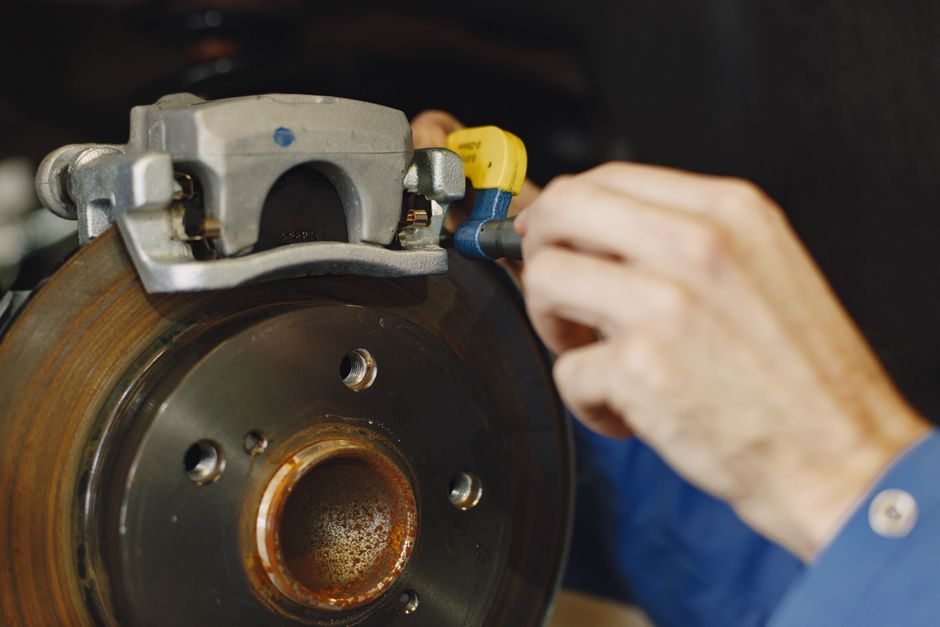
Regular maintenance is essential for preserving fuel efficiency. A well-tuned engine operates more efficiently than one with neglected components. Simple checks, such as monitoring tire pressure, can have a noticeable impact. Under-inflated tires increase rolling resistance, forcing the engine to work harder and consume more fuel. The recommended tire pressure is usually found on a sticker inside the driver’s door or in the owner’s manual, and it is advisable to check it monthly.
Another key maintenance item is the engine air filter. A clogged air filter can restrict airflow to the engine, which may reduce performance and fuel economy, especially in older vehicles with carbureted engines. While modern fuel-injected engines have sensors that adjust to some restriction, replacing a dirty filter is still recommended as part of routine maintenance.
Spark plugs also play a role in fuel efficiency. Worn or faulty spark plugs can cause misfires, leading to incomplete fuel combustion and wasted fuel. Replacing spark plugs at the intervals specified by the manufacturer ensures optimal engine performance. Similarly, using the correct grade of motor oil, as recommended by the vehicle’s manual, can reduce friction and improve efficiency.
Beyond these components, the fuel system itself may require attention. Over time, fuel injectors can become clogged, affecting the fuel-air mixture. Using a fuel system cleaner periodically may help, but if efficiency issues persist, a professional inspection may be necessary. Regular diagnostics can identify O2 sensor failures, which can significantly degrade fuel economy if not addressed.
The Role of Vehicle Load and Aerodynamics
The amount of weight a vehicle carries directly affects fuel consumption. Carrying unnecessary items, such as heavy tools or sports equipment, increases the load and reduces efficiency. It is estimated that an extra 100 pounds can reduce fuel economy by about 1% to 2%. Therefore, removing excess cargo from the trunk or back seat can yield measurable savings.
Aerodynamic drag also increases with speed and is exacerbated by roof racks or cargo carriers. Even when empty, roof racks create drag, which can lower fuel economy by up to 5% at highway speeds. Removing roof racks when not in use can help. Similarly, keeping windows closed at high speeds reduces drag, though it is more energy-efficient to use air conditioning at highway speeds than to drive with windows down, as open windows increase drag more than the AC compressor load.
Exterior modifications, such as spoilers or wide tires, may also influence aerodynamics and rolling resistance. While some modifications are intended to improve performance, they often come at the cost of fuel efficiency. Drivers considering such changes should weigh the trade-offs carefully.
Planning and Optimization for Fuel Savings
Effective trip planning can lead to significant fuel savings over time. Using navigation apps that consider real-time traffic can help drivers avoid congestion and delays. When possible, selecting routes with smoother traffic flow reduces stop-and-go driving, which is a major source of fuel waste. Additionally, carpooling or using public transportation, when feasible, can reduce the number of vehicles on the road, but this may not be an option for everyone.
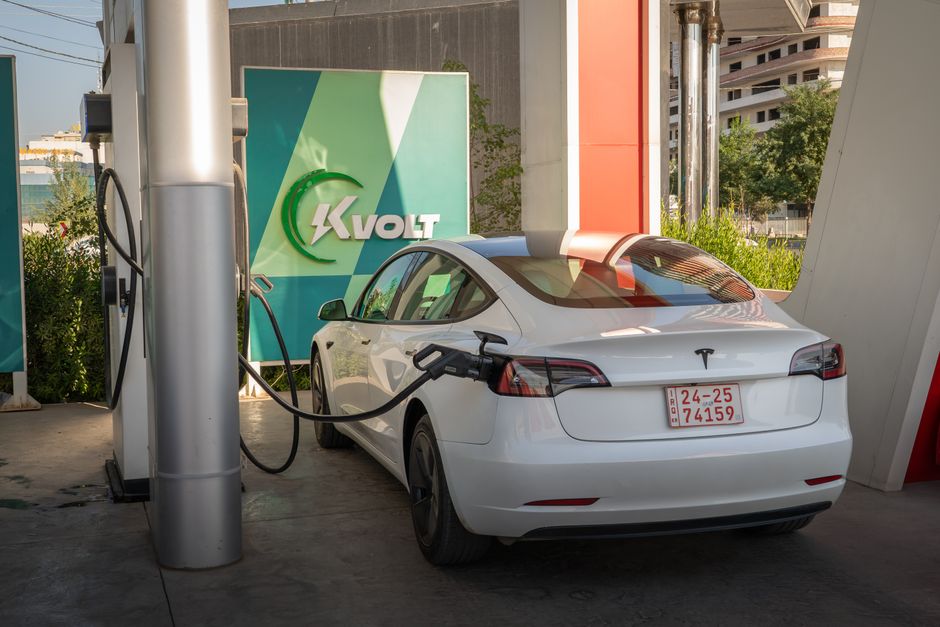
Hybrid and electric vehicles offer alternative ways to save fuel, but for conventional vehicles, the tips above remain relevant. Telematics and eco-driving apps can provide feedback on driving patterns, helping drivers identify areas for improvement. Some insurance companies offer usage-based programs that reward efficient driving, but participation is voluntary.
It is also worth noting that fuel efficiency can vary with weather conditions. Cold weather reduces tire pressure and increases aerodynamic drag due to denser air, which can lower fuel economy. Using block heaters in very cold climates, as recommended by some vehicle manufacturers, can improve engine efficiency during short trips.
Finally, adopting a ‘hyper-miling’ mindset—but without the extreme and often unsafe practices—can yield incremental improvements. Simple habits like parking in the first available spot rather than circling for a closer one, and gently accelerating after a stop, contribute to overall efficiency. The cumulative effect of these practices can be substantial over time, but results depend on individual driving context and vehicle condition.
Fuel efficiency is not about a single dramatic change, but rather a series of small, consistent actions that, when combined, can lead to meaningful improvements over time.
In summary, improving fuel efficiency involves a combination of thoughtful driving habits, regular vehicle maintenance, and mindful trip planning. By understanding the factors that affect fuel consumption, drivers can make informed choices that align with their goals. While no single tip will transform a vehicle’s mileage overnight, the cumulative impact of these practices can contribute to savings and reduced emissions, ultimately benefiting both the driver and the environment.