How to Diagnose Common Brake Problems at Home
Brakes are one of the most critical safety systems in any vehicle. When they start to show signs of trouble, it is essential to address the issue promptly. While some brake problems require professional attention, many common symptoms can be diagnosed at home with a basic understanding of how the braking system works. This guide aims to provide a structured approach to identifying the causes behind squealing, grinding, and a soft brake pedal, helping you determine when a visit to a professional mechanic is necessary.
Understanding the underlying principles of brake operation is key to effective diagnosis. The braking system relies on friction to convert kinetic energy into heat, slowing the vehicle. Over time, components such as brake pads, rotors, and brake fluid undergo wear and tear, leading to various symptoms. By familiarizing yourself with these symptoms and their potential causes, you can make informed decisions about maintenance and repair.
It is important to note that while some diagnostic steps can be performed at home, braking is a safety-critical system. If you are ever unsure about the condition of your brakes, consulting a qualified professional is always advisable. The following sections outline common brake issues and provide a systematic approach to identifying them.
Understanding the Braking System
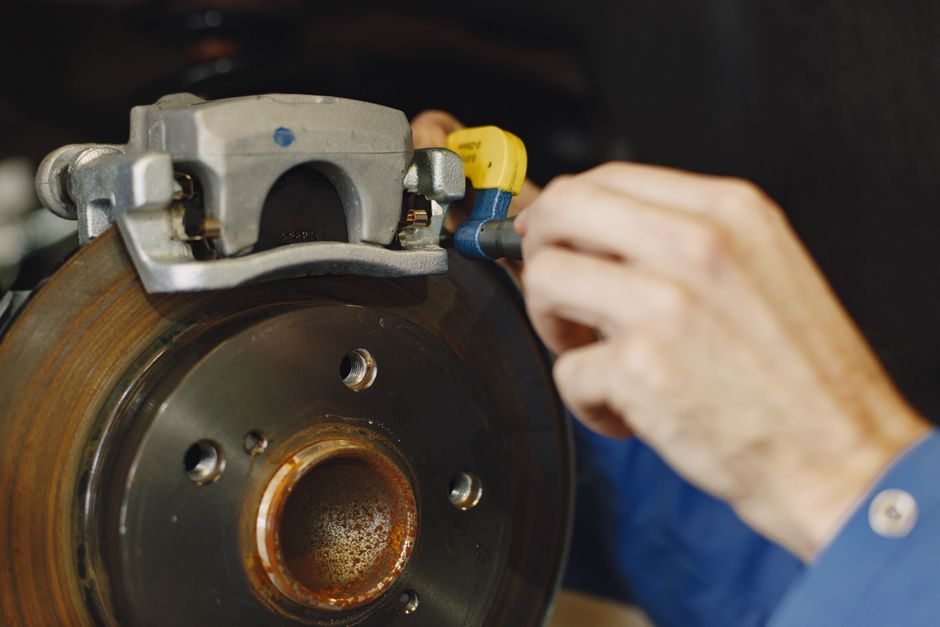
Before delving into specific symptoms, it is helpful to have a basic understanding of the key components involved. The braking system typically includes the brake pedal, master cylinder, brake lines, calipers, brake pads, rotors, and brake fluid. When you press the pedal, hydraulic pressure is created, forcing the calipers to squeeze the pads against the rotors, generating the friction needed to stop the vehicle.
Each component plays a vital role, and wear or failure in any part can manifest as distinct symptoms. For instance, worn brake pads are a common cause of squealing, while a leak in the brake fluid system can lead to a soft pedal. Recognizing these relationships helps in narrowing down the root cause of the problem.
It is also important to understand the concept of brake fade, which occurs when brakes overheat and lose effectiveness. While this is not a common home-diagnosable issue, it underscores the importance of regular maintenance. Keeping the braking system in good condition is essential for both safety and longevity of the components.
Diagnosing Squealing or Squeaking Brakes
Squealing or squeaking noises when applying the brakes are among the most common complaints. Often, this is a sign that the brake pads have worn down to the point where a metal indicator, known as a wear indicator, is making contact with the rotor. This is a deliberate design feature to alert the driver that the pads need replacement.
However, not all squealing is due to worn pads. Sometimes, moisture or dust on the brake components can cause a temporary squeal, especially after the vehicle has been parked overnight or driven in wet conditions. In such cases, the noise may disappear after a few stops. Additionally, certain pad materials are naturally prone to squealing, particularly ceramic or semi-metallic pads, and this may not indicate a serious problem.
To diagnose the cause, you can begin by listening to the sound carefully. A high-pitched squeal that consistently occurs when braking is more likely to be a wear indicator. If the noise is intermittent or only present under certain conditions, it could be related to external factors. Inspecting the brake pads visually is a straightforward way to check their thickness. If the friction material is less than a quarter of an inch thick, replacement is likely necessary.
If the noise is accompanied by a metal-on-metal sound, it may indicate that the pads are completely worn, meaning the caliper is grinding against the rotor. This is a more serious issue that requires immediate attention. In any case, if you are not comfortable performing the inspection yourself, a professional can provide a definitive diagnosis.
Investigating Grinding Noises
Grinding noises during braking are more concerning than squealing, as they often indicate severe wear or damage. A deep, harsh grinding sound suggests that the brake pads have worn down completely, allowing the metal backing plate to contact the rotor. This can cause significant damage to the rotor, leading to grooves or scoring that may require resurfacing or replacement.
In some cases, grinding can also be caused by foreign objects, such as small stones or debris, becoming lodged between the pad and rotor. This may result in a scraping sound that is not necessarily related to wear. To determine the cause, it is essential to inspect both the pads and the rotors visually. If the rotors show deep grooves, they may need to be machined or replaced.
Another potential cause of grinding is a stuck caliper, which can cause the brake pads to remain in contact with the rotor even when the brake is not applied. This not only creates noise but also leads to accelerated wear and reduced fuel efficiency. Diagnosing a stuck caliper may involve checking for uneven pad wear or noticing a pulling sensation while driving.
Since grinding often indicates serious issues, it is recommended to have the vehicle inspected by a qualified mechanic as soon as possible. Continuing to drive with grinding brakes can lead to more extensive and costly damage, compromising the safety of the vehicle.
Addressing a Soft or Spongy Brake Pedal
A soft or spongy brake pedal is another common issue that can be diagnosed at home. When you press the brake pedal and it feels mushy or travels farther than usual before engaging, it is often a sign of air in the brake lines or a low brake fluid level. Air in the hydraulic system is compressible, which reduces the pressure transferred to the brakes, resulting in a soft pedal.
Low brake fluid can be caused by a leak in the system, worn brake pads, or even a faulty master cylinder. To check the fluid level, locate the master cylinder reservoir, typically under the hood on the driver’s side. The fluid should be within the marked range. If it is low, topping it off may temporarily restore pedal feel, but the underlying cause of the loss must be addressed.
If the fluid level is normal, air in the lines is a likely culprit. This can occur after brake repairs or if the system has been opened for maintenance. Bleeding the brakes to remove trapped air is a process that can be performed at home with the right tools and guidance, but it requires care and precision.
Another possible cause of a soft pedal is a worn master cylinder, which may allow fluid to bypass internally. This often results in the pedal slowly sinking to the floor when held under pressure. Diagnosing this condition may require more advanced testing, and if suspected, it is advisable to consult a professional.
When to Seek Professional Brake Repair
While some brake issues can be diagnosed at home, knowing when to seek professional help is essential. If you have identified any of the following conditions, or if you are uncertain about the cause of a problem, it is best to have the vehicle inspected by a qualified mechanic.
- The brake warning light is illuminated on the dashboard.
- The vehicle pulls to one side when braking.
- The brake pedal feels hard or requires excessive force to engage.
- The brakes make unusual noises that persist despite visual inspections.
- There is visible fluid leaking near any of the wheels or under the vehicle.
These symptoms may indicate more complex issues that require specialized equipment and expertise to diagnose and repair. Additionally, if your brake pads have worn down to the point of grinding, immediate professional intervention is necessary to prevent further damage to the rotors and other components.
Regular brake inspections and maintenance can help identify potential problems early, ensuring the safety and reliability of your vehicle.
Conclusion
Diagnosing common brake problems at home involves understanding the symptoms and their potential causes. Squealing, grinding, and a soft pedal are signals that something may be amiss with your braking system. By following a systematic approach to inspection and evaluation, you can determine whether a simple fix is possible or if professional repair is needed.
Remember, brakes are critical to vehicle safety. Even if a problem seems minor, it is always wise to err on the side of caution and consult a qualified technician if you are unsure. Regular maintenance and timely attention to brake issues can extend the life of the system and ensure your safety on the road.
We hope this guide has provided you with valuable insights into identifying brake problems at home. For more automotive tips and advice, stay tuned to AutoVista Blog, where we aim to keep you informed and prepared.